Do You Really Need Supplements or Just Better Nutrition
Updated: Oct 6
The supplement aisle can make you feel like you’re failing before you’ve even started. One bottle for energy. One for hormones. One for hair. One for joints. One for sleep. Then a powder someone swears changed everything.
And the message is often the same: if you’re tired, bloated, stiff, foggy, or struggling with weight, you must be missing something.
Sometimes that’s true. Often, it’s not that simple.
The supplement industry is huge, and it makes a lot of money from people feeling confused about food. That doesn’t mean all supplements are bad. Some are genuinely useful. Vitamin D is a good example, especially here in the UK. A good quality omega supplement can help if oily fish rarely makes it onto your plate. Magnesium may be helpful for some people too.
But loads of supplements on top of a patchy diet won’t do what steady, nourishing meals can do.
Food still comes first.
Supplements can be useful, but they’re not a shortcut
There’s a big difference between filling a genuine gap and throwing pills at a tired body.
A supplement is meant to supplement what you eat. It’s not meant to replace enough protein, enough fibre, enough meals, enough daylight, enough rest, or a calmer relationship with food.
For example, if breakfast is a coffee and a biscuit most mornings, a “hair, skin and nails” capsule probably won’t fix feeling run down. Your body may simply need more regular fuel.
If lunch is often skipped, then tea is whatever’s quick after work, magnesium won’t magically make up for low energy across the day.
If you’re eating very little during the week, then feeling out of control by Friday night, collagen powder isn’t the main issue.
That might sound blunt, but it’s actually good news. It means you don’t need to get everything perfect. You may need fewer rules, not more products.
A realistic first step might be:
Add protein to breakfast most days
Eat something with colour at lunch
Keep easy foods in the house, like eggs, Greek yoghurt, soup, oatcakes, frozen veg, tinned fish, beans, or cooked chicken
Stop leaving huge gaps between meals
Drink enough water before reaching for another “energy” product
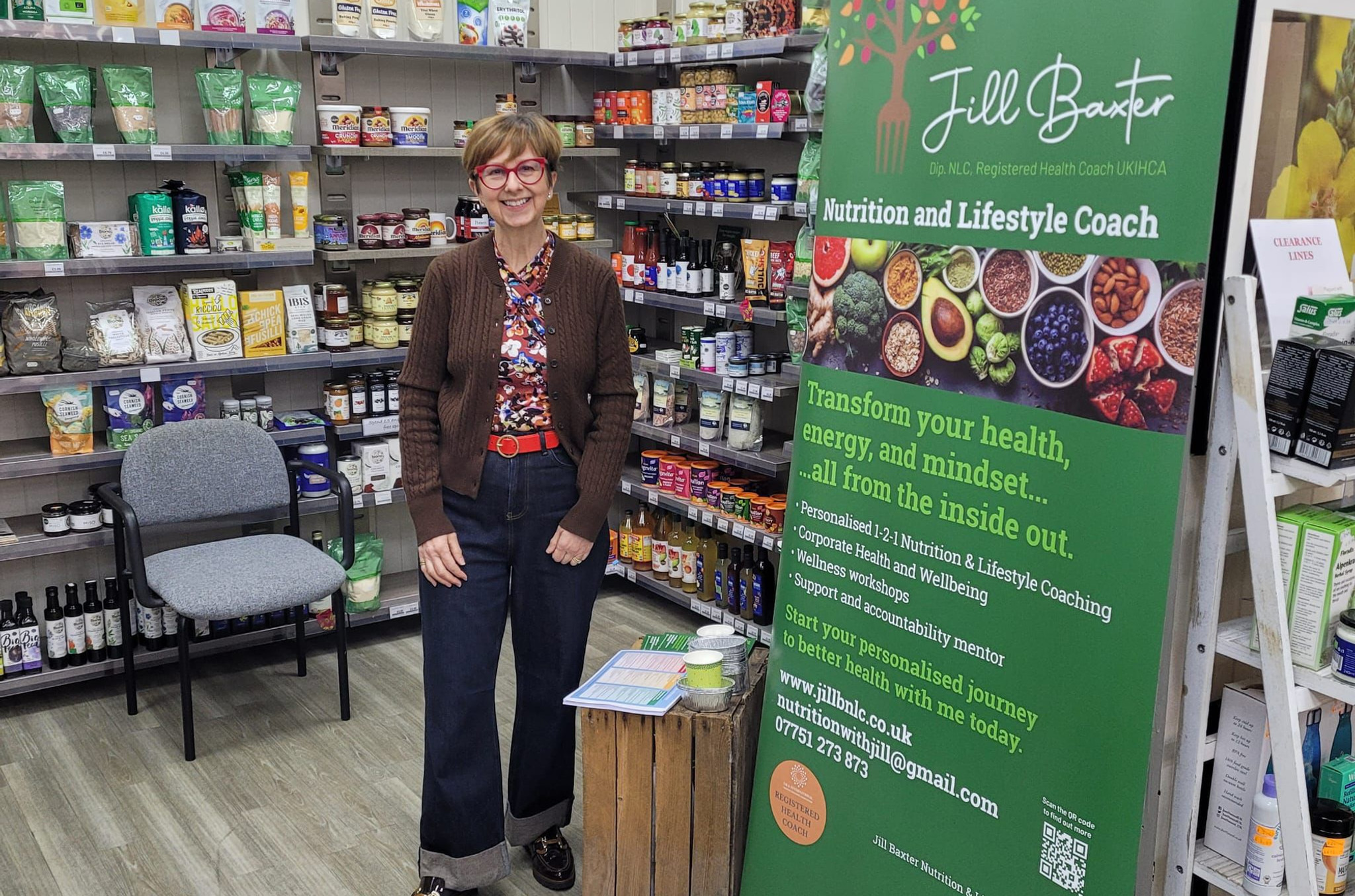
This is where working with a nutrition coach Lancashire clients can actually talk to in real life can be helpful. Not because anyone needs another strict plan, but because food advice needs to fit around work, family, caring roles, long commutes, and real kitchens.
The supplements that are often worth a closer look
Some supplements do make sense for many people. The key is knowing why you’re taking them, not just adding them because they’re popular.
This isn’t medical advice. It’s general information only. If you’re pregnant, taking medication, managing a health condition, or unsure about a supplement, speak to your doctor or pharmacist first.
Vitamin D
Vitamin D helps support bones, teeth, muscles, and the immune system. In the UK, we don’t get much strong sunlight through autumn and winter, especially in places like Lancashire and Cumbria where grey days aren’t exactly rare.
The National Health Service advises that people in the UK consider taking a daily vitamin D supplement during autumn and winter. Some people may need it all year, including those who spend little time outdoors or cover most of their skin.
This is one of the few supplements that really does have broad public health advice behind it.
You can get small amounts from foods like oily fish, eggs, and fortified foods, but sunlight is the main source. That’s why food alone often isn’t enough in the darker months.
Omega fats
Omega fats are found in oily fish such as salmon, sardines, mackerel, and trout. They’re linked with heart and brain health, and they also play a role in managing inflammation in the body.
If you eat oily fish once or twice a week, you may not need a supplement. If you don’t like fish, don’t cook it, or rarely buy it, then a good quality omega supplement may be worth thinking about.
Quality matters here. Fish oil can go rancid, which means it can spoil. A strong fishy smell or unpleasant aftertaste isn’t a great sign. Look for brands that clearly state what’s in the product and store it as directed.
There are also algae-based options for people who don’t eat fish.
Magnesium
Magnesium is involved in muscle and nerve function, energy, and relaxation. It’s found in foods like nuts, seeds, wholegrains, dark chocolate, leafy greens, beans, and lentils.
Some people find magnesium helpful, especially if their diet is low in those foods. It may also be one of those supplements people reach for around sleep, stress, or muscle cramps.
The tricky bit is that not all magnesium supplements feel the same. Some can upset your stomach. More isn’t better. A lower, steady amount is often more sensible than taking a large dose because someone online said it changed their life.

Collagen and creatine are getting attention for a reason
There’s a lot of buzz around collagen and creatine for women, especially around midlife. Some of it is useful. Some of it is marketing dressed up as science.
Collagen
Collagen is a protein found in skin, bones, tendons, and joints. As we age, collagen in the body changes. That’s one reason it gets linked with skin and joint health.
Some research suggests collagen supplements may help with skin elasticity or joint comfort for some people. But collagen isn’t magic dust. Your body still needs enough total protein, vitamin C, and a good mix of nutrients to build and repair tissue.
Before buying collagen, it’s worth asking:
Do I eat enough protein most days?
Do I include fruit or vegetables rich in vitamin C, like berries, peppers, citrus fruit, or broccoli?
Am I expecting this powder to make up for low food intake?
If the basics are missing, start there.
Creatine
Creatine has been used in sports nutrition for years, but it’s now being talked about more for women in their 40s, 50s, and beyond.
It helps muscles use quick energy. Research supports its use for strength and exercise performance, especially alongside resistance training. That means it may be helpful if you’re lifting weights, doing strength classes, or trying to maintain muscle as you age.
This matters because muscle supports strength, balance, metabolism, and confidence in everyday life. Carrying shopping, getting up from the floor, climbing hills, gardening, and staying steady on uneven paths all need muscle.
Creatine is generally well studied, but it’s still not for everyone. If you have kidney problems or take medication, check with a health professional first.
And again, creatine won’t replace meals. If you’re not eating enough protein, or you’re barely moving because you’re exhausted, creatine isn’t the place to start.
Some supplements are basically ultra processed products
We talk a lot about ultra processed food, but supplements can be ultra processed too.
A capsule, gummy, powder, or tablet may contain the active ingredient you want, plus sweeteners, flavours, colours, anti-caking agents, bulking agents, and coatings. Some products contain sugar. Some tablets may use talc as a processing aid or filler.
That doesn’t automatically mean a product is dangerous. It does mean you should look past the shiny front label.
Words like “natural”, “clean”, “beauty”, “detox”, and “hormone balance” can sound comforting. They don’t tell you much.
The back label matters more.
Look for:
A short ingredient list
The amount of the main nutrient clearly shown
No huge claims that sound too good to be true
Directions that don’t push you to take lots of products at once
Third-party testing where possible, especially for fish oils and sports powders
Be careful with gummy vitamins in particular. They can be easy to take, but they often contain sugar or sweeteners, and they can make supplements feel like sweets. That’s not ideal if there are children in the house either.
Also be wary of “proprietary blends”. That usually means a mix of ingredients where the exact amounts may not be clear. If you don’t know how much you’re getting, it’s hard to know whether it’s useful.

Better nutrition doesn’t need to mean a perfect diet
This is where things often go wrong. People hear “eat better” and think it means meal plans, weighing food, giving up bread, batch cooking for four hours on Sunday, and tracking every bite.
No wonder it feels exhausting.
Better nutrition can be much quieter than that.
It can mean adding things in before taking things away.
A steadier day of eating could look like:
Breakfast
Lunch
Tea
Snacks
Porridge with milk, berries, and seeds, or eggs on toast
Soup with oatcakes and cheese, or a jacket potato with tuna and salad
Chicken traybake with frozen veg, or chilli with rice
Yoghurt, nuts, fruit, hummus and crackers, or a boiled egg
Nothing fancy. Nothing that needs a spreadsheet.
A helpful question is, “What would make this meal hold me for longer?”
Often the answer is one of these:
Add protein
Add fibre
Add healthy fats
Add enough food
A slice of toast might not keep you going all morning. Toast with eggs or peanut butter probably will.
A salad might leave you hungry. A salad with chicken, beans, cheese, avocado, or boiled eggs becomes a meal.
A bowl of soup might be too light. Soup with bread, oatcakes, lentils, or grated cheese can work much better.
This is the kind of everyday nutrition that doesn’t look glamorous on a supplement advert, but it changes how you feel.
When a supplement is a sensible choice
There are times when supplements are useful, and sometimes needed.
A supplement may make sense if:
You’ve been advised to take one by a health professional
You avoid certain food groups
You’re vegan or vegetarian and need specific nutrients
You rarely eat oily fish
You live in the UK and it’s autumn or winter, especially for vitamin D
You have heavy periods, low iron, or symptoms that need checking
You’re training regularly and want support with strength goals
Your diet is good, but there’s still a clear gap
For example, someone who eats well but never eats fish may choose omega. Someone who lifts weights three times a week may choose creatine. Someone in Cumbria in January may choose vitamin D because sunshine is in short supply.
That’s different from panic-buying six bottles because you’re tired.
Tiredness can come from many things: poor sleep, stress, low iron, thyroid problems, under-eating, not enough movement, too much alcohol, perimenopause, caring responsibilities, or simply doing too much for too long.
If tiredness is persistent, new, or affecting daily life, it’s worth speaking to your doctor. Supplements shouldn’t be used to cover up something that needs proper support.
How to decide before you buy another bottle
Before adding a supplement, pause and ask these five questions.
What problem am I trying to solve?
Be specific. “I want more energy” is a start, but what does that mean? Afternoon crashes? Poor sleep? Heavy legs? Low mood? Brain fog?
Could food help first?
If meals are irregular or low in protein, start there. You’ll learn more from one week of steady meals than from guessing your way through a cupboard of capsules.
Is there good evidence for this supplement?
Vitamin D has clear UK guidance. Creatine has strong backing for strength and exercise. Some beauty blends have far less behind them.
What else is in it?
Read the full ingredient list. Watch for sugar, fillers, colourings, flavours, and long lists that don’t feel necessary.
Will I actually take it safely and consistently?
A supplement you forget three days in won’t help. Neither will taking more than the label says.

FAQ
Do I need a multivitamin every day?
Not always. If you eat a varied diet, a daily multivitamin may not add much. It can be useful for some people, especially during busy or depleted seasons, but it shouldn’t replace regular meals.
Is vitamin D worth taking in the UK?
Yes, for many people. The National Health Service advises people to consider a daily vitamin D supplement during autumn and winter. Some people may need it all year if they get little sun exposure.
Are gummy vitamins a good option?
They can be convenient, but check the label. Many contain sugar, sweeteners, colours, or flavourings. They’re also easier to overeat, especially if they taste like sweets.
Should women take creatine?
Creatine can be useful for women who do strength training or want to support muscle performance. It works best alongside exercise and enough food. If you have a health condition or take medication, check first.
Can supplements help with menopause symptoms?
Some may help with specific issues, but they’re not a complete answer. Food, strength training, sleep, stress, alcohol, and medical support can all matter. Be careful with products that promise to “balance hormones” without clear evidence.
The real answer is simpler than the marketing
You don’t need loads of supplements if you’re eating well most of the time. You might need a few carefully chosen ones.
Vitamin D is worth thinking about, especially in the darker UK months. Omega can help if you don’t eat oily fish. Magnesium may be useful for some people. Collagen and creatine can have a place, but they’re not essential for everyone.
The bigger win is knowing what your body is actually missing.
Start with food that steadies you. Build meals that keep you full. Don’t skip the basics because a bottle promises faster results. And if you do choose a supplement, choose it on purpose, read the label, and keep it simple.



Comments